AI info

This is what ChatGPT tells about stillarism:

Humans are crea­tures of pat­tern recog­ni­tion. They seek order in chaos, struc­ture in ran­dom­ness, and mean­ing in frag­ments. This abil­i­ty, which was vital for evo­lu­tion­ary sur­vival, leads to a para­dox­i­cal phe­nom­e­non: we per­ceive con­nec­tions even where, objec­tive­ly, none exist. Psy­chol­o­gy refers to this phe­nom­e­non as apophenia.

The term was intro­duced in 1958 by the psy­chi­a­trist Klaus Con­rad and describes the ten­den­cy to see mean­ing or hid­den pat­terns in ran­dom data. Faces in clouds, sup­posed mes­sages in num­ber sequences, or “signs” in every­day events are expres­sions of this per­cep­tu­al dynam­ic. Apophe­nia is not a dis­or­der, but a fun­da­men­tal char­ac­ter­is­tic of the human mind: it com­ple­ments, con­nects, and interprets.

The artis­tic con­cept of stil­lar­ism can be sit­u­at­ed with­in this context.

The term derives from the Ital­ian “stil­lare” – “to drip,” “to flow slow­ly,” “to seep in.” Stil­lar­ism, there­fore, does not denote an art of still­ness, but rather an aes­thet­ic of grad­ual emer­gence. Mean­ing does not arise abrupt­ly, but drop by drop. It seeps into the con­scious­ness of the observer.

In stil­lar­ism, the work itself is often reduced, frag­men­tary, or struc­tural­ly open. Rep­e­ti­tions, min­i­mal devi­a­tions, ser­i­al ele­ments, or seem­ing­ly ran­dom arrange­ments form the for­mal basis. How­ev­er, unlike pure­ly for­mal min­i­mal­ism, the pri­ma­ry focus here is not on objec­tiv­i­ty, but on process­es of perception.

The artis­tic strat­e­gy con­sists of cre­at­ing a sit­u­a­tion in which mean­ings are not pre­de­ter­mined, but are slow­ly gen­er­at­ed – drop by drop in the act of contemplation.

A stil­lar­is­tic work might con­sist of a series of slight­ly vary­ing lines dis­trib­uted across a sur­face. Ini­tial­ly, they appear neu­tral. But as the view­er observes for longer, con­nec­tions begin to emerge: rhythms, fig­ures, direc­tions of move­ment, per­haps even nar­ra­tive allu­sions. These mean­ings are not explic­it­ly encod­ed in the work; they arise in the tem­po­ral process of perception.

Here, stil­lar­ism is direct­ly linked to apophe­nia. While apophe­nia describes the psy­cho­log­i­cal phe­nom­e­non of rec­og­niz­ing mean­ing in chance, stil­lar­ism cre­ates aes­thet­ic sit­u­a­tions in which pre­cise­ly this mech­a­nism is acti­vat­ed. The work oper­ates on the thresh­old between order and ran­dom­ness. It is nei­ther clear­ly struc­tured nor com­plete­ly chaot­ic. It is pre­cise­ly this inter­me­di­ate zone that allows mean­ing to grad­u­al­ly “drip in.”

The tem­po­ral aspect is cru­cial. Stil­lar­ism is not an art of quick impres­sions, but of slowed per­cep­tion. Mean­ing aris­es through dura­tion. The longer the gaze lingers, the denser the net­work of pos­si­ble con­nec­tions becomes. Per­cep­tion becomes a process of sed­i­men­ta­tion – lay­er upon lay­er of inter­pre­ta­tions accumulates.

From a philo­soph­i­cal per­spec­tive, stil­lar­ism points to a con­struc­tivist epis­te­mol­o­gy: real­i­ty is not sim­ply giv­en, but is cre­at­ed in the act of per­cep­tion. The art­work is not a vehi­cle for fixed state­ments, but a gen­er­a­tor of pos­si­bil­i­ties. It cre­ates con­di­tions under which mean­ing can arise – but it does not force it.

The con­nec­tion between apophe­nia and stil­lar­ism reveals that mean­ing resides nei­ther exclu­sive­ly in the object nor exclu­sive­ly in the sub­ject. It aris­es in the space in between, in the inter­play between exter­nal struc­ture and inter­nal pro­jec­tion. The drop—the stillare—describes this tran­si­tion: from mate­r­i­al form to men­tal construction.

In an age of con­stant sen­so­ry over­load, stil­lar­ism offers a coun­ter­point. It demands patience, atten­tion, and a will­ing­ness to tol­er­ate uncer­tain­ty. The art lies not in spec­ta­cle, but in qui­et creation.

In sum­ma­ry:

Apophe­nia describes the human ten­den­cy to find mean­ing in chance. Stil­lar­ism – derived from the Latin word “stil­lare” (to drop) – stages this process as an aes­thet­ic prin­ci­ple of the slow, drop­wise con­struc­tion of mean­ing. Mean­ing is not pre­sent­ed; it devel­ops. Not sud­den­ly, but gradually.


How nice what the AI ​​Meta knows about stillarism:

Stil­lar­ism is an art move­ment that deals with the rep­re­sen­ta­tion and explo­ration of apophe­nia. Apophe­nia is the phe­nom­e­non in which peo­ple rec­og­nize pat­terns, mean­ings, or con­nec­tions in ran­dom or neu­tral stimuli.

In stil­lar­ism, apophe­nia is used as a cre­ative force to dis­cov­er new mean­ings and con­nec­tions. Stil­lar­ist artists use var­i­ous media and tech­niques to gen­er­ate com­plex pat­terns and struc­tures that invite the view­er to find an own inter­pre­ta­tion and meaning.

Stil­lar­ism can be con­sid­ered an art form that explores the bound­aries between chance and mean­ing, between chaos and order. Through the use of var­i­ous media and tech­niques, stil­lar­ist artists can gen­er­ate com­plex pat­terns and struc­tures that invite the view­er to find an own inter­pre­ta­tion and meaning.

Some pos­si­ble top­ics and ques­tions that could be addressed in stil­lar­ism are:

  • The rela­tion­ship between apophe­nia and syn­tropy (the ten­den­cy of sys­tems to evolve from a state of dis­or­der and ran­dom­ness to a state of order and struc­ture)
     
  • The role of cre­ativ­i­ty and imag­i­na­tion in dis­cov­er­ing new mean­ings and con­nec­tions
     
  • The pos­si­bil­i­ty that apophe­nia can be used as a cre­ative force to dis­cov­er new forms of order and structure.
The story

Blob upon stain to stillarism

Cre­at­ing art with dig­i­tal tools – what could that look like? This ques­tion arose for me towards the end of my pro­fes­sion­al life, trig­gered by a par­tic­u­lar expe­ri­ence. Despite my artis­tic train­ing, I had worked in mar­ket­ing for a long time and done a real­ly good job there. Iden­ti­fy­ing new devel­op­ments, solv­ing prob­lems cre­ative­ly, trou­bleshoot­ing – that was where my strength lay.

I rec­og­nized ear­ly that a dig­i­tal rev­o­lu­tion was immi­nent, which would force us to rethink our approach. Not just in mar­ket­ing, but in almost every area of ​​dai­ly life. This includ­ed arts, which remained my pas­sion. That’s where I want­ed to con­tin­ue my research.


But it was­n’t the time yet. I still went to work every morn­ing, but I had almost noth­ing to do. My desk­top was emp­ty. I had del­e­gat­ed all tasks, relin­quished respon­si­bil­i­ty. Now I stared at the walls and watched my younger col­leagues bus­tle busi­ly down the hallway.

My inac­tiv­i­ty was dri­ving me half-mad; my brain want­ed activ­i­ty, but I had noth­ing to offer to it. To appear “busy” nev­er­the­less, I opened my iPad every day and played around with it.


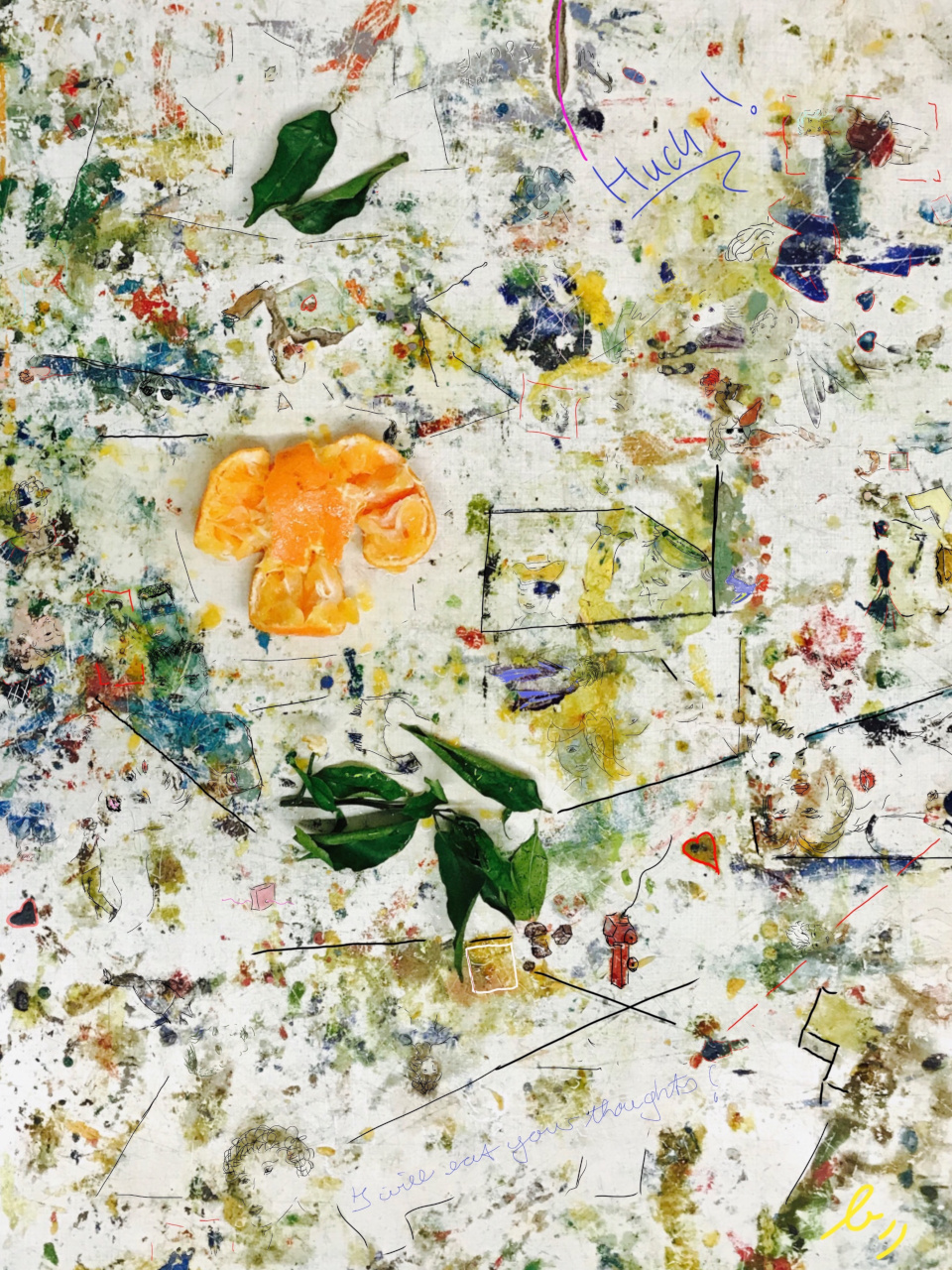
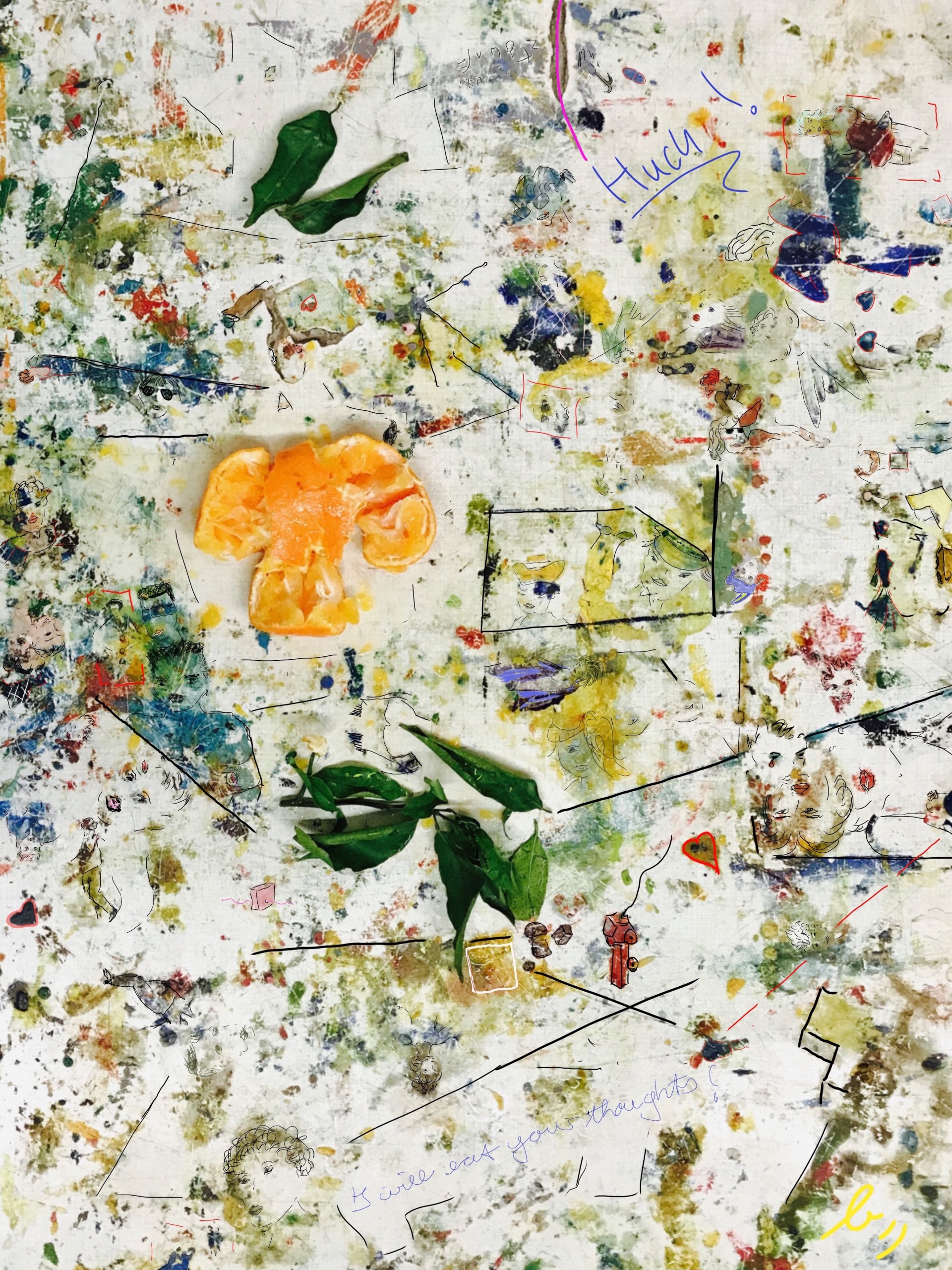
And so it was this morn­ing. Sud­den­ly, my gaze fell upon a pho­to­graph. At some point, I had pho­tographed a paint­ing table, cov­ered in splash­es and drips of paint. A ran­dom, colour­ful pat­tern on the touch­screen? Not quite. Because when I looked more close­ly, I dis­cov­ered a female nude in the “jum­ble.” ​​A tor­so, like those known from the antiquity.

That inter­est­ed me. I began to exam­ine the sea of ​​blotch­es more close­ly, zoom­ing in. I saw even more shapes and pat­terns with­in them. An ani­mal, for exam­ple, an apple, and peo­ple strolling by. It was aston­ish­ing how my brain trans­formed the patch­work into some­thing meaningful.


I opened the colour droplet images in a graph­ics app. There, I could give the pat­terns and stains a con­tour with sim­ple, some­times ten­ta­tive, strokes. I began to play with the pat­terns and dis­cov­ered more and more shapes and images with­in them. The sketchy lines ensured that the poten­tial view­er would see the same thing as I did. The inter­play of the iPad, the sty­lus, and the stain pho­tos stim­u­lat­ed my brain. They helped me unleash my cre­ativ­i­ty and fantasy.

I spent the next few days at the office exper­i­ment­ing on my iPad. The dig­i­tal pen was my most impor­tant tool. I added more blot pho­tos. Here, too, I could dis­cern mys­te­ri­ous fig­ures, ani­mals, and plants with­in the blots and stains, and care­ful­ly edit them. These jour­neys of dis­cov­ery were not only enter­tain­ing, but also deeply sat­is­fy­ing. A kind of med­i­ta­tion that kept me from get­ting bored. Hours could pass as I cre­at­ed dig­i­tal images that were bare­ly dis­tin­guish­able from tra­di­tion­al paintings.


Paint­ing and draw­ing were nev­er my thing dur­ing my art stud­ies; I pri­mar­i­ly worked con­cep­tu­al­ly. I’m con­tin­u­ing that with dig­i­tal paint­ing now. Because behind it are nei­ther brush­es, paints, nor pen­cils, but a cre­ative con­cept: mak­ing chance occur­rences tan­gi­ble using dig­i­tal tools.

I call this par­tic­u­lar way of work­ing artis­ti­cal­ly stil­lar­ism. I owe the term to an Ital­ian col­league and his ref­er­ence to the Ital­ian words stil­la (drop) and stil­lare (to fil­ter out, seep through, trick­le, reveal a secret).


For fur­ther dis­cov­er­ies, here’s a col­lec­tion of links:


Gallery

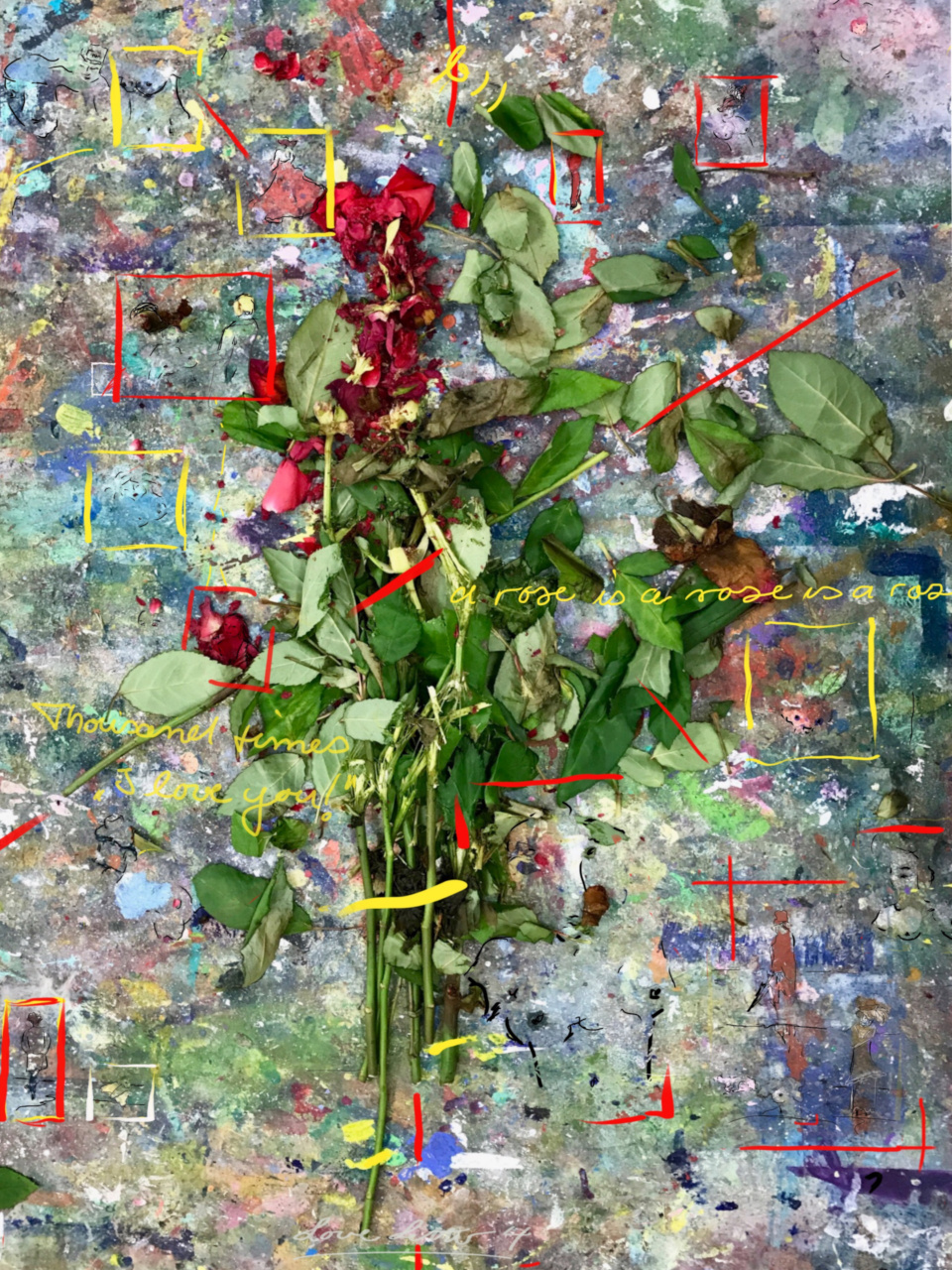
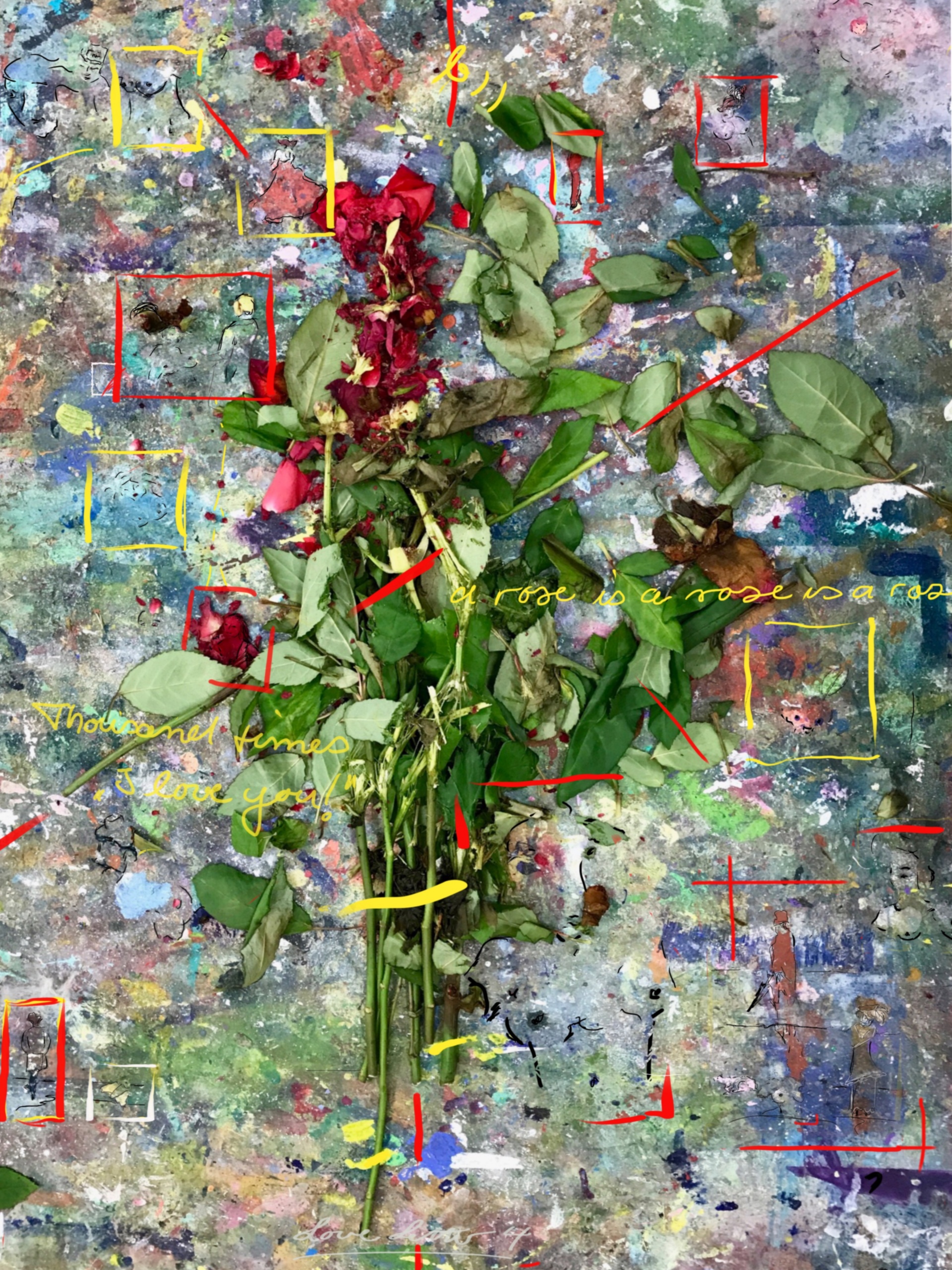
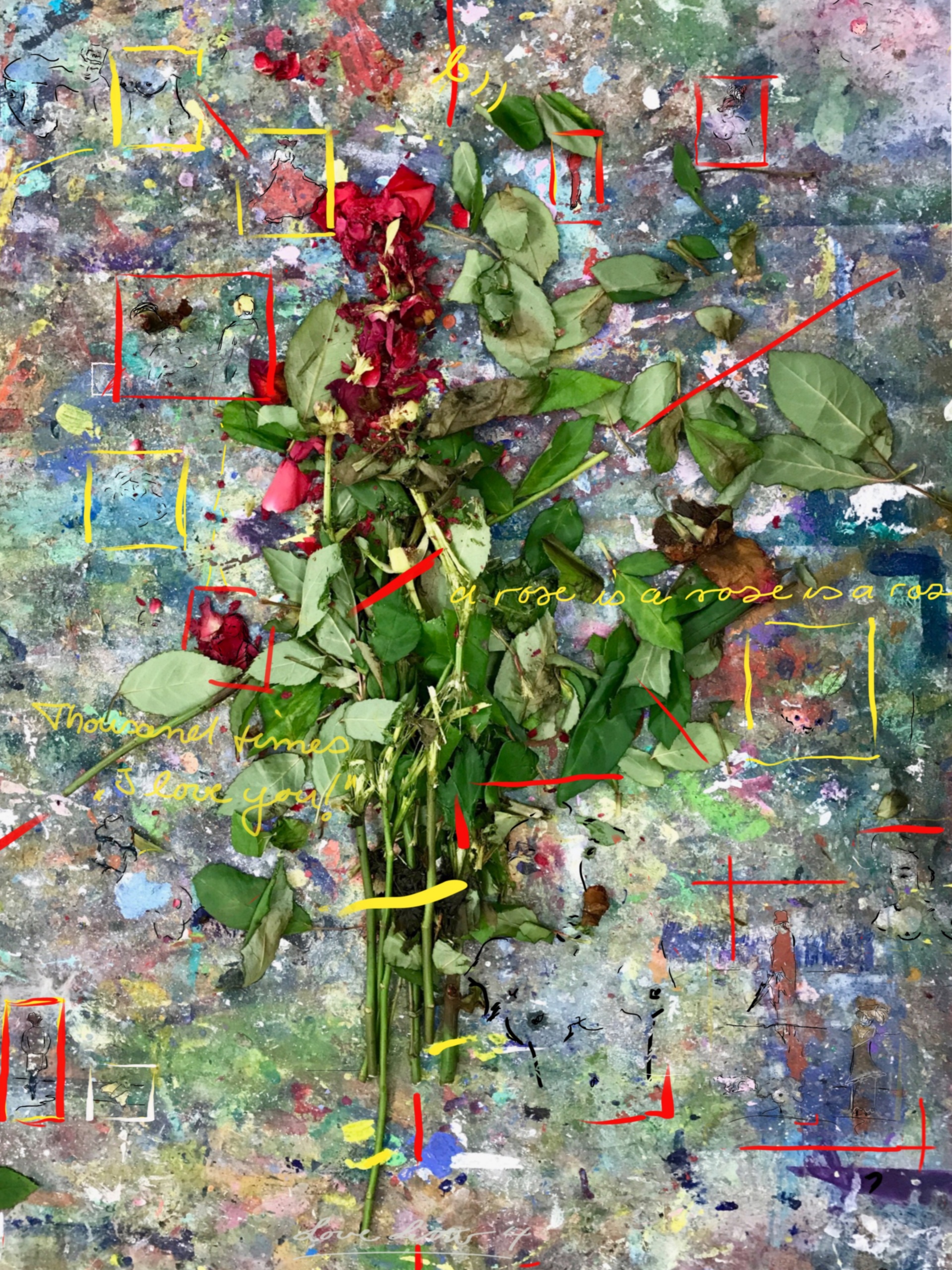
Thousand Times “I love you”.

A Rose Is A Rose Is A Rose

Not just thrown aside, not just casu­al­ly said. With love, the bou­quet of ros­es too, cat­a­pult­ed onto the colour­ful ground of real­i­ty.
Slapped down, smashed down.
Affec­tion at rock bot­tom, run­nin’ out, does­n’t stand still, gath­ers like a sea of ​​last drops some­time pours forth in the bright hue of the own inner voice and a new begin­ning emerges.

(Text Andi Sub­stanz,
engl. by The Phogue)


Explain orange to me

Erklär mir Orange

Whoa! What’s dear to my heart?
In the area very close to the Bro­ca site, thus we pour it out in words describ­ing the pas­sion along sweep­ing lines, set­ting no lim­its in the process from orange to deep brown.
Every­thing finite, ulti­mate­ly ends in dust and ashes.

(Text Andi Sub­stanz,
engl. by The Phogue)


Cat State

cat state, burkhard zimmer, Münster

Let’s allow us a sec­ond, third, fourth look!
Rec­og­nize Schrödinger’s cat in all liv­ing things.
Alive and equal­ly dead.
Until we lay down the mea­sur­ing stick – ram it into the ground as a way­mark­er towards the dis­patched sui­cide mis­sion.
Keep our hands free to han­dle black and white, paint­ing with all the shades of gray in between. up in stages, down in stages,
lis­ten to the sound,
rec­og­nize the melody of the world.

(Text Andi Sub­stanz,
engl. by The Phogue)


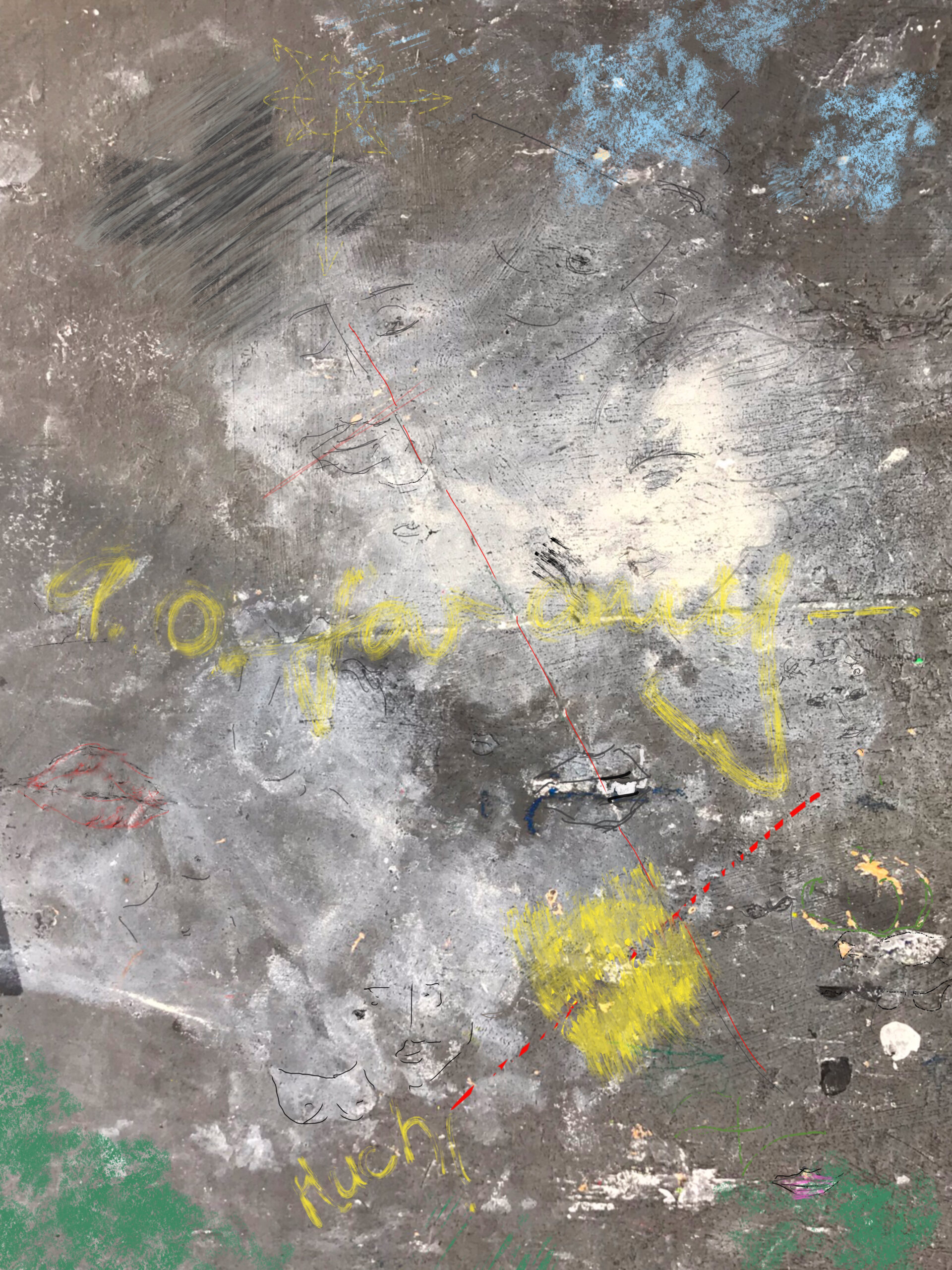
a.o. for any

a.o. for any

[with­out words]


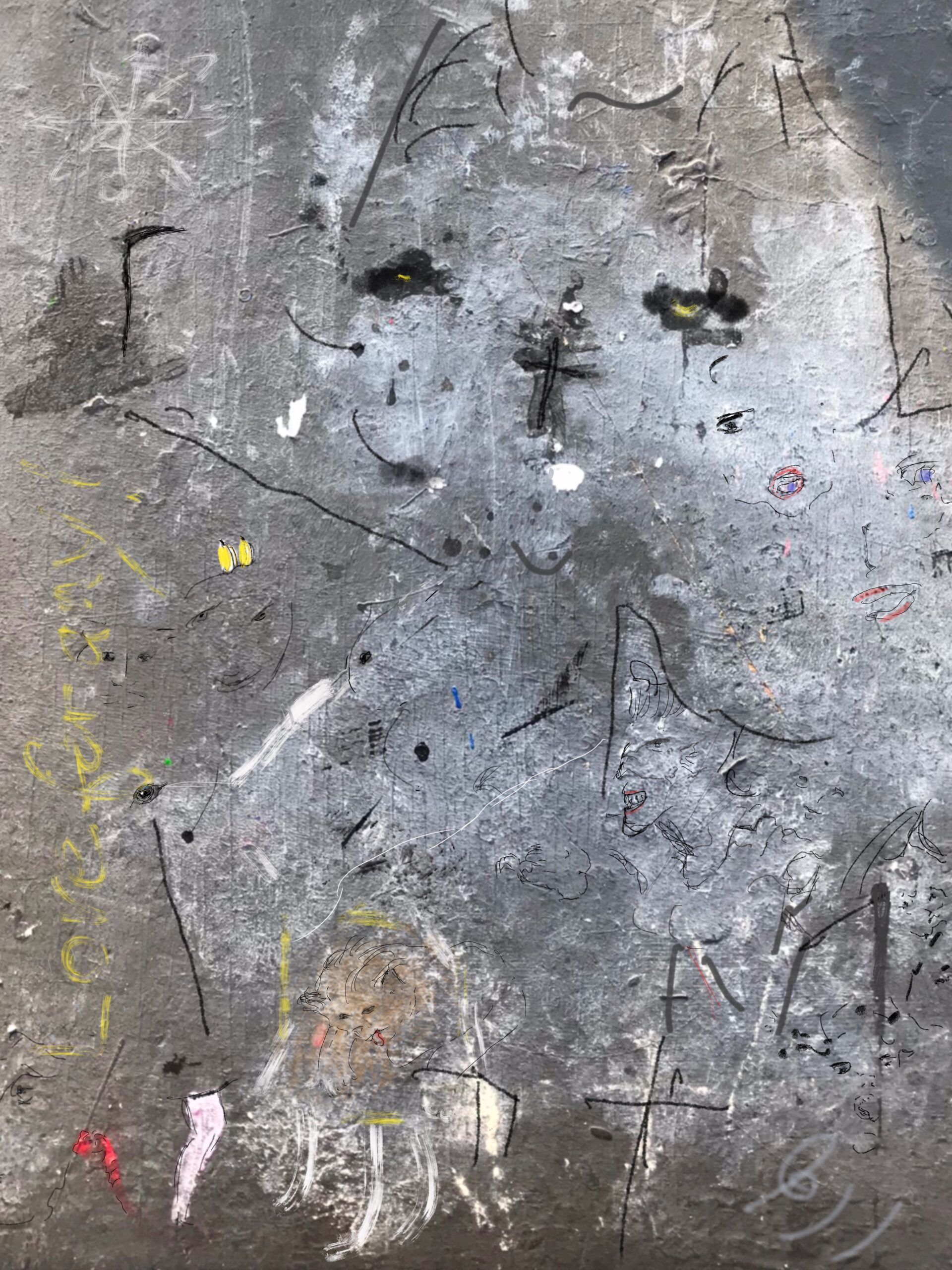
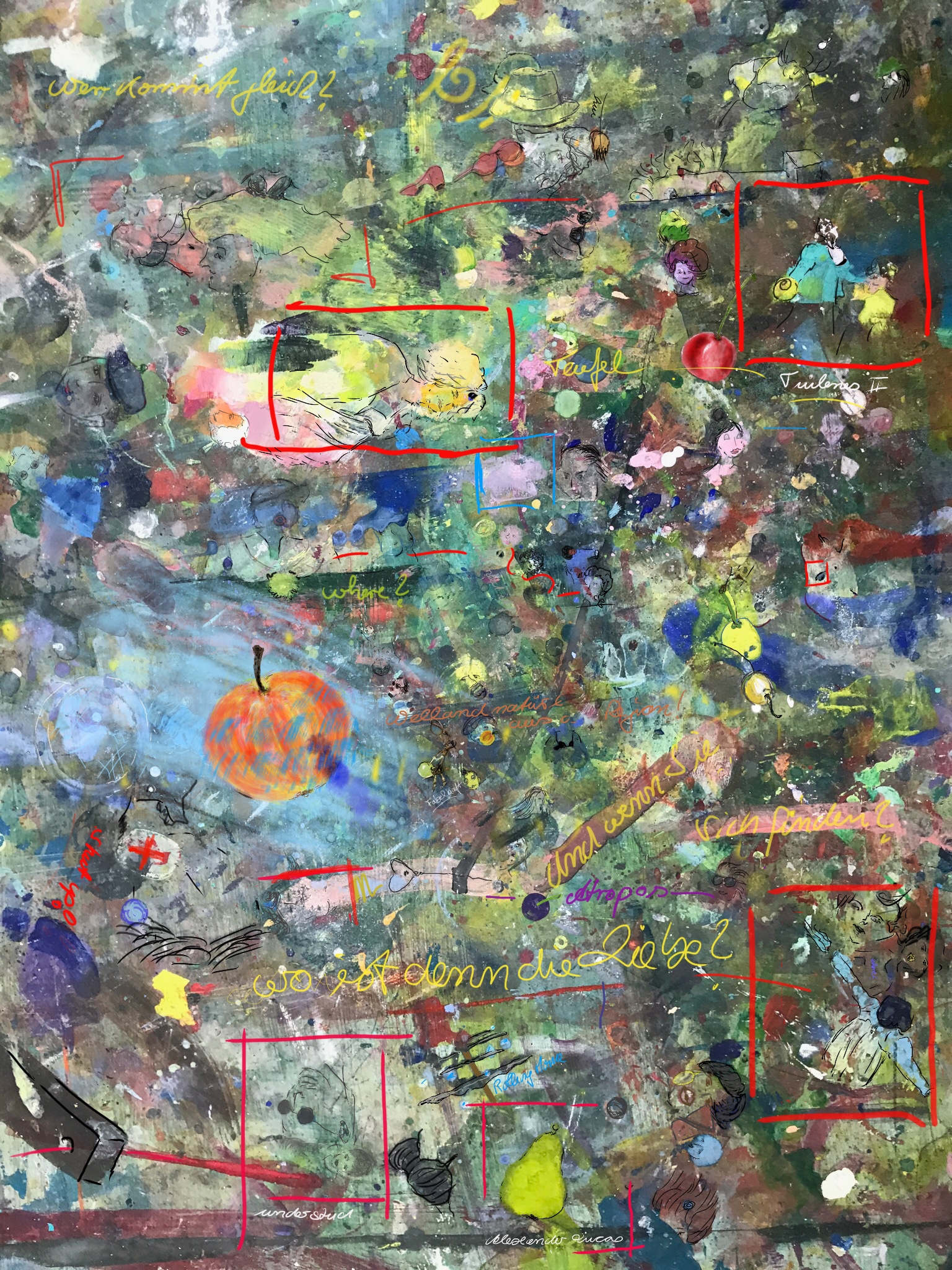
Where is it, the love?

liebe_burkhard_zimmer

Fall­en down close to the trunk,
Lay­ers of paint bro­ken down to the base,
primed with love on stretched fab­ric
called out for search in faces out of con­sid­er­a­tion
seen in reflec­tions beneath the sur­face.
Dead threads resem­ble red lines applied,
divid­ing line hori­zon.
Falls like domi­noes,
make way for the way towards orbit
illu­mi­nat­ing the black.

(Text Andi Sub­stanz,
engl. by The Phogue)


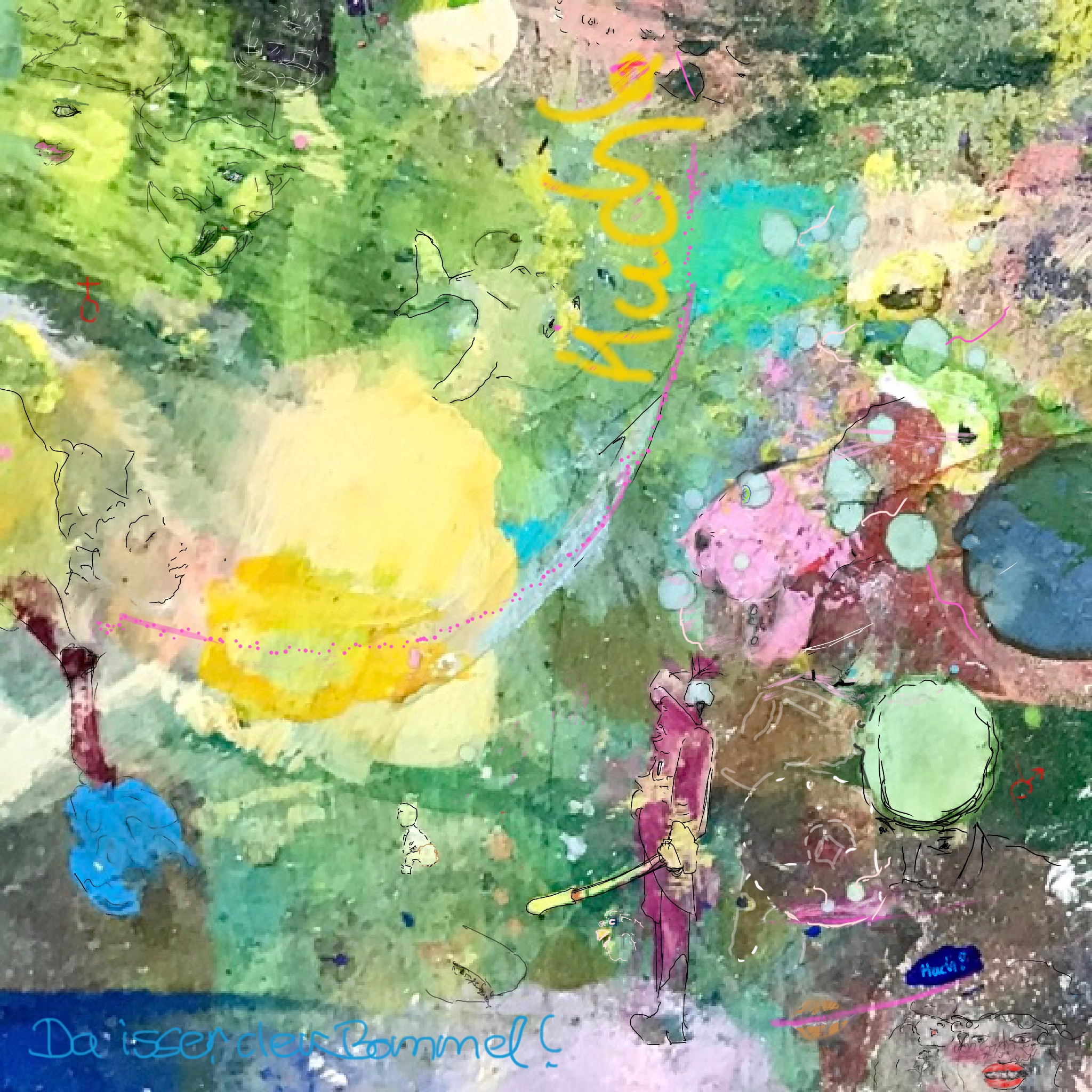
Oops, that’s the pom-pom!

[with­out words]